Among several qualities you might be looking for in a mattress, particularly if you and a partner share a mattress, motion isolation tends to be high on the list. What is motion isolation, why is it important, and which characteristics of a mattress often help boost this quality?
At Sunset Bedding, we offer a wide range of mattress options, from plush twin mattresses to pillowtop full size mattresses, queen hybrid mattresses and more. Here are some basics on what motion isolation is on a mattress and why it matters, plus some different mattress types and how they typically perform from a motion isolation standpoint - and a few additional factors to consider in this area.
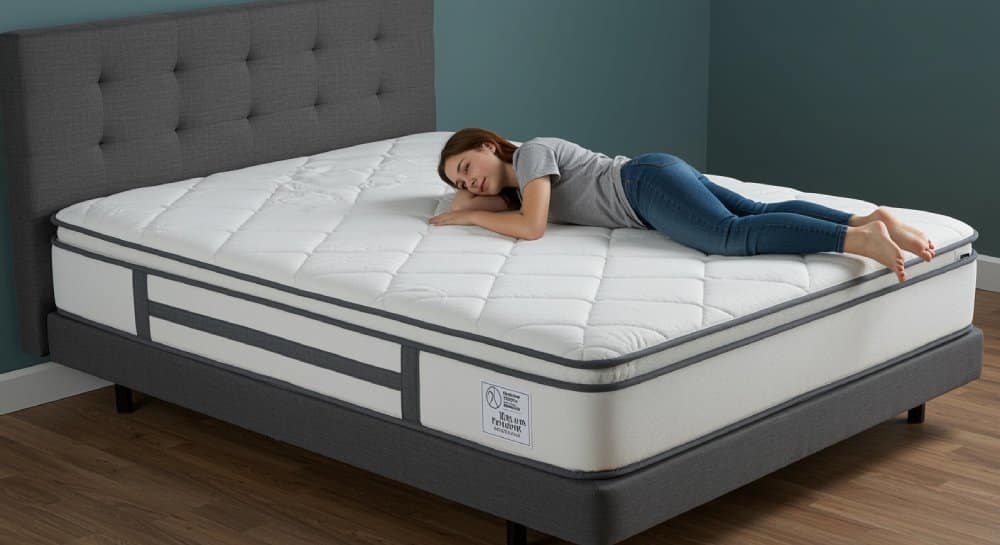
When we talk about motion isolation, we're referring to how well a mattress absorbs and minimizes movement from one person on the bed being felt by the other person. In other words, if you or your partner tends to toss and turn throughout the night, a mattress with good motion isolation will prevent those movements from disturbing your partner's sleep.
Motion isolation is especially important for couples sharing a bed. If one person moves around a lot during the night, it can disrupt their partner's sleep leading to less restful nights for both individuals. A mattress with poor motion isolation can also be an issue for light sleepers or those who are easily disturbed by movement.
On the flip side, mattresses with strong motion isolation can improve the quality of sleep for both individuals by minimizing disruptions caused by movement. This is especially beneficial for couples with different sleeping patterns or schedules.
Furthermore, motion isolation can also be important for reducing pain and discomfort. If one partner suffers from back pain and tends to shift positions throughout the night, a mattress with good motion isolation will prevent their movements from waking up their partner or aggravating their pain.
While specific motion isolation qualities will vary between each individual mattress model, here are some general basics on how the most common mattress types do with motion isolation:
One form of mattress that varies heavily in terms of motion isolation is the latex mattress. Some mattresses made of this material can be great at isolating motion, while others are not so great. This largely depends on the kind of latex used, plus the firmness and thickness - softer and thinner latex mattresses are less able to dampen motion transfer.
Innerspring mattresses may have a hard time keeping one person's movements from spreading across the bed, since their springs are interconnected. However, pocketed coils that work independently of each other can help isolate motion more effectively. Factors like coil count and foam layers also play a role in how well an innerspring mattress absorbs motion.
Memory foam is often praised for its ability to reduce motion transfer. The material conforms closely to the body, which can keep movement localized and prevent it from traveling across the bed. However, certain factors such as density and thickness can impact just how effective memory foam is at absorbing motion.
Higher density memory foam tends to be better at isolating motion than lower density foams. This is because higher density foams are more resilient and can absorb energy more effectively, which helps prevent it from being transferred to other parts of the mattress. Thicker memory foam layers also tend to perform better than thinner layers, as they have more material to absorb movement.
Another great option for motion isolation are hybrid mattresses, which combine memory foam with other materials like pocketed coils. These mattresses provide the best of both worlds - the contouring and motion isolation of memory foam, with the support and bounce of coils.
The pocketed coil system used in hybrid mattresses helps to isolate motion by individually responding to each sleeper's movements. This means that when one person moves, their partner won't feel it as much on their side of the bed. Additionally, the layers of memory foam on top provide extra cushioning and further reduce motion transfer.
Aside from mattress type and density, there are a few other factors that can affect how well a mattress isolates motion. These include:
At Sunset Bedding, we offer a wide range of mattresses with varying motion isolation qualities. Contact us to learn more about which mattress is best for your individual needs and preferences.

